SIGN UPDay 1
Day 2
Generative AI for Good Hackathon

SIGN UPDay 1
Day 2
Generative AI for Good Hackathon
More implementation guidance for civic teams building eco-innovation with accountability.
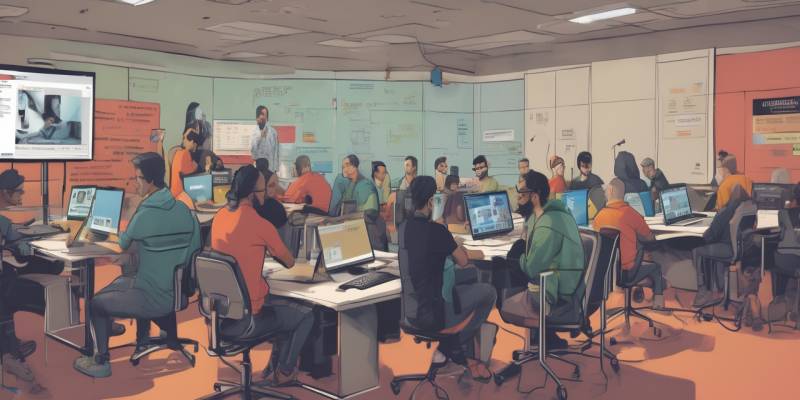
Explore the complete Hack to the Rescue timeline from registration through team formation, onboarding, project matching, hacking sprints, mentor check-ins, submission deadlines, and the final demo. This guide breaks down each milestone so participants and nonprofits know what happens when and how to prepare for a successful final presentation.
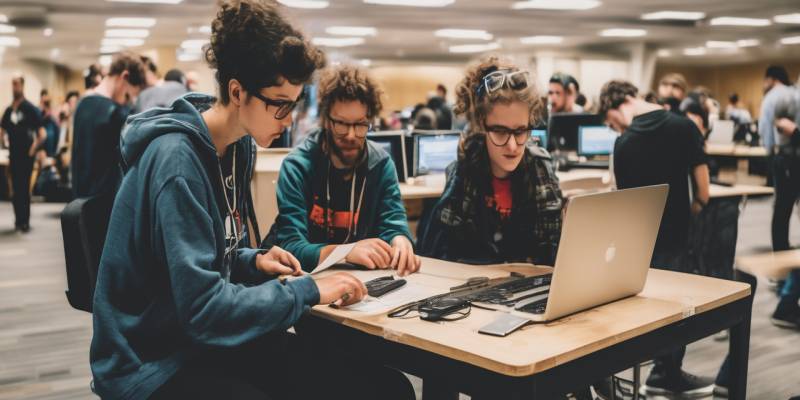
Get clear answers in this Hack to the Rescue FAQ for first-time participants. Learn how the event works, who can join, what to bring, how teams are formed, what projects you’ll work on, and how to prepare for a smooth first hackathon experience.

Explore practical air quality hackathon ideas and project opportunities, from low-cost sensor builds and IoT monitoring networks to AQI dashboards, pollution hotspot mapping, wildfire smoke alerts, and machine learning forecasting. Includes concepts for mobile apps, citizen science tools, indoor air quality projects, open data integrations (AQI/PM2.5/NO2/O3), and community-focused solutions that help track exposure and improve public health.
Agenda